Breakups are hard enough, but seeing your ex with someone new immediately after that can feel like salt in the wound. Did you even matter? Were they faking everything? And how are they “in love” already???
Before you spiral, take a breath, and take a closer look. Here are four reasons why they moved on so fast… and why it’s actually proof that you dodged a major emotional disaster.
1. They Were Emotionally Detached Long Before You Broke Up
A fast rebound is often a sign that they checked out of the relationship long before it ended. Instead of communicating, they detached quietly by emotionally distancing themselves while keeping you around until they were ready to move on. By the time the breakup happened, they were already in “next” mode.
Red flag: They stopped being emotionally present months ago but pretended nothing was wrong.
2. They Need Constant Validation and Can’t Be Alone
Some people don’t move on…they latch on, to the next person they need to feel complete. If your ex jumped straight into a new “serious” relationship, it could be less about love and more about fear: fear of being alone, fear of sitting with themselves, and fear of not having someone to prop up their ego.
They didn’t heal or reflect. They just filled the silence. And that’s not romantic…that’s a red flag in disguise.
Red flag: They treated relationships like a security blanket, not a connection.
3. They Were Already Eyeing Someone Else (Yep, Even If It Was “Just a Friend”)
Some people line up their next source of attention before the relationship even ends. Maybe it was a “friend,” a coworker, or someone they “just met,” but the overlap is strangely suspicious. If they moved on suspiciously fast, they may have had emotional (or even physical) connections in place already.
That’s not love, but rather a lack of relationship integrity. Trust me: you don’t want to be with someone who acts like this.
Red flag: They swore nothing was going on… and then posted a soft-launch with that same “friend” two weeks later.
4. They Confuse Intensity with Connection
Love-bombing. Fast “soulmate” declarations. Some people, especially toxic ones, chase intensity and not intimacy. If your ex has a new whirlwind romance, it’s probably not about finding “the one” but rather about chasing a high. People like this tend to repeat toxic patterns, mistaking adrenaline for actual compatibility.
They’re stuck in a loop and likely that person will eventually get the same treatment that you got.
Red flag: Every relationship they have moves at lightning speed… and crashes just as fast.
If your ex moved on at record speed, it’s not a reflection of your worth, but rather a reflection of their red flags. Healthy people take time to process. They reflect. They grow. So instead of wondering why they replaced you so quickly, remind yourself:
They didn’t move on. They escaped accountability. And you? Thankfully, you escaped them and the cycle of toxicity.
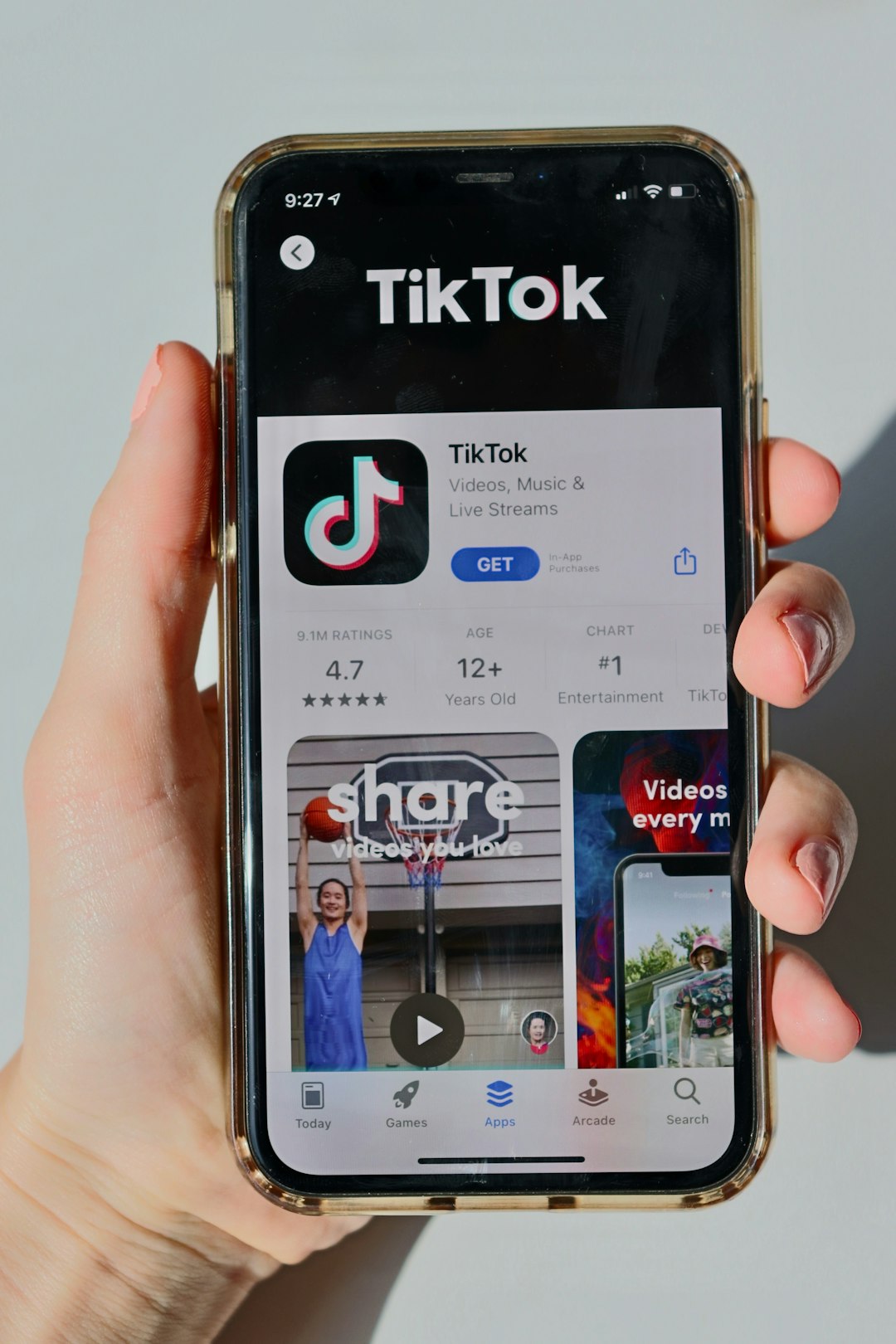
TikTok has no shortage of dating advice. Scroll for five minutes and you’ll see everything from “how to make him obsessed with you” to “why you should never date a man who breathes before 9 am.” It’s loud, fast, and mostly terrible. Here’s why TikTok dating advice often smells worse than a red flag factory on fire.
1. It’s Designed to Go Viral, Not Be Helpful
TikTok runs on engagement, not truth. So what kind of content performs best? Outrage, drama, and sweeping generalizations. That means the most popular advice isn’t the most nuanced, and it’s often the most extreme. This is why man-haters, misogynists, and toxic people often end up being the ones giving most “advice.”
If someone says, “Here’s how to have healthy communication,” they get 12 likes. But if they say, “If he takes longer than 17 minutes to text back, block him and move on, queen,” they go viral.
2. It Turns Real Psychology Into Buzzwords
Attachment styles. Love bombing. Narcissism. Gaslighting. TikTok loves these terms, but often strips them of context and scientific accuracy. Instead of helping people understand their patterns, it becomes a game of label-and-blame. Now, every ex is a narcissist, every situationship is trauma-bonding, and no one actually takes a beat to reflect.
I have made quite a bit of relationship content on TikTok and I ended up tiring of the overuse of these terms.
3. It Creates a Culture of Paranoia And Games
Many creators frame dating like war: never double text, wait three hours to reply, play it cool, be high-value, stereotype all men or women… Instead of encouraging open communication, it teaches people to game each other with passive-aggressive tactics. The result? A dating pool full of people who are too scared to show they care, and too online to be normal about it.
4. Everyone’s an “Expert,” but Few Have Experience
A lot of TikTok dating gurus are 23, single, and talking from a ring light in their bedroom. Or, they are single middle-aged men and women who have a history of toxic and failed relationships.
That’s fine…everyone has insights! But what’s dangerous is when personal opinions are delivered as gospel. Advice becomes one-size-fits-all, with zero room for personal context, lived experience, or the complexity of, you know… being human.
TikTok dating advice isn’t all bad. Some of it can certainly be empowering or eye-opening. But take it with a grain of salt, a splash of skepticism, and maybe a therapist on speed dial. The best dating advice usually comes from real conversations, not trending videos designed to generate controversy. So if you want love, take what you see with a grain of salt.
Dating has always had red flags. You probably know them and look out for them: controlling behavior, lying, cheating, etc. Yeah, those are obvious.
But in 2025, the landscape has changed. Social media, hyper-independence culture, and emotional buzzwords have given rise to new patterns that might look “normal” on the surface… but are actually serious warning signs. Here are five red flags that are more common now than they were just a few years ago.
1. “Healing Era” Avoidance: Using Personal Growth to Dodge Accountability
Self-work is great, and so is therapy (so long as the type of therapy is effective and you have a good therapist). But if someone constantly talks about their “healing journey” as a way to avoid commitment, vulnerability, or responsibility for hurting others… that’s not growth, it’s a shield.
In 2025, it’s not uncommon for people to weaponize “therapy speak” to justify behavior that will make dating them awful. For example, if everything is always “a trigger” you might be dating a walking red flag wrapped in sage and self-help quotes.
I once dated someone who couched everything in therapy-ease and she used her supposed healing as an excuse to be late all the time and even be mean.
2. Being Overly Revealing On Social Media
While sharing things on social media can be good, to make money, share ideas, and even make friends, over-sharing is a big red flag.
Why? Some things are meant to be shared with one person or a small group of people, and not with the entire world. Some things are intimate and should be shared only with a partner or friends.
Does this person reveal too much emotionally or physically on their social media? This could be a sign that you will never get the intimacy you need, and rather you’ll be sharing it with strangers.
3. Over-Branding Themselves Instead of Being Themselves
Thanks to influencer culture, a lot of people now approach dating like they’re building a brand, not a relationship. If your date talks like they are sharing their resume, or their dating profile looks like one, i.e. it’s filled with perfectly curated photos, all of their accomplishments, or every place they travel to regularly, they aren’t likely dating for a relationship…they are just simply full of themselves and saying “look at me.” Find people who want a connection, not to show off.
4. Avoidance Disguised as “Low Maintenance”
Being chill is fine. But in 2025, emotional unavailability often comes cloaked as being “go with the flow.” If someone never wants to define the relationship, avoids emotional conversations, and thinks any request for clarity is “drama,” that’s not peace, that’s evasion.
If you want a relationship, you need someone who is willing to do a little maintenance to make the relationship work and thrive.
5. The Tech Trap
In 2025, more people are turning to tech for comfort and companionship, including AI apps, both to communicate with, but also to come up with lines to text potential dates. If your partner uses tech this way, I think it’s a red flag.
Look, I love tech. I love AI, but we’re talking about human connections here. For one, human connection requires another human. And, human connection can only exist when it’s based on authenticity and vulnerability. You can’t have these when you’re basically getting your communication from a computer.
So, red flags haven’t gone away, but they have evolved. In a world obsessed with image, independence, and instant gratification, true connection takes more courage than ever. So trust your gut…your real, human intuition.
Let’s get this out of the way: Gen Z isn’t doomed. They’re smart, creative, and more emotionally aware than previous generations in many ways. Honestly, I like a lot of Gen Z people. But when it comes to dating? Something’s off. In fact, singleness is at all time highs. Why are more young people single when they literally have so many ways to meet others?
Swipe culture, situationships, and ghosting aren’t just buzzwords…they’re symptoms of a larger, messier problem. Here are four reasons Gen Z might be struggling in the romance department. Here’s why.
1. The Dating App Paradox: Too Many Options, Not Enough Connection
Dating apps were supposed to make finding love easier, but for Gen Z, they’ve turned romance into a game of digital window shopping. With unlimited options comes the illusion that something (or someone) better is just one swipe away. The result? Commitment-phobia, indecision, and a lot of “meh” dates with people who never make it past small talk. It’s hard to bond when you’re busy wondering if your soulmate is five swipes to the right.
Psychology speaks of a concept called “choice paradox.” When you’re presented with SO many options, the brain becomes overwhelmed, and as a result chooses nothing.
2. Everyone’s “Talking,” But No One’s Actually Communicating
“Talking” used to be the first step to something real. Now it’s often the final destination. Gen Z has mastered texting, ghosting, soft-launching, and strategic story-posting, but somewhere along the way, they forgot how to have vulnerable, awkward, real conversations. In a world of curated captions and ironic detachment, earnestness feels risky. So people play it cool. So cool, in fact, they never actually connect.
In fact, just go onto TikTok and see how many people are posting about how much they hate dating and/or the people they want to date, like all men or all women. How can you really connect and communicate with someone when you brag all day about not doing it?
3. Emotional Baggage at 22: The Trauma Olympics
Self-awareness is a double-edged sword. Gen Z has done an impressive job de-stigmatizing mental health, but sometimes it feels like dating has become a competition over who’s the most emotionally damaged.
Everyone’s “not ready,” “still healing,” or “working on themselves.” This is great, in theory. But eventually, healing becomes a hiding place, and dating becomes an endless cycle of almosts, maybes, and therapy-speak deflection.
4. Romance Is Cringe (Until It Isn’t)
Irony rules Gen Z culture. Sincerity? Kinda cringe. Grand romantic gestures are viewed as embarrassing or “simping,” unless they’re wrapped in sarcasm or self-aware memes. But you can’t build a relationship on irony alone. Real intimacy requires real risk, and that’s hard when everyone’s more comfortable with clever quips than honest feelings. Vulnerability has become the final frontier, and most people are too afraid to plant a flag there.
While yes, going overboard isn’t attractive, to make an emotional connection, humans need romance and openness to romance. If you can’t let yourself do it, well, you won’t connect with anyone.
However, Gen Z isn’t hopeless when it comes to love. They’re just navigating a weird, new world with different rules. If they can get past the irony, face their fears, and put down their phones for five minutes, they might find that dating isn’t dead after all.
It’s just waiting for someone brave enough to try it the old-fashioned way: awkwardly, honestly, and maybe even a little bit cringey.
We associate the holidays with fun, festivity, peace, and joy. And, being in a good relationship can make the holiday season even more meaningful. After all, there is a Hallmark Channel stereotype about finding and strengthening love at Christmas.
But, that doesn’t tell the whole story for many people. The holiday season can be very stressful and presents unique challenges, even for the strongest of couples. If you’re already struggling, they can make things far worse.
Whether you celebrate Christmas, Hanukkah, or another holiday, you will likely encounter several common challenges.
It’s important to be aware of them because in the midst of the shopping, planning, and general stress, you can lose sight of what matters most: the person you love and the relationship you value. And, this can lead to unnecessary fights and even break ups.
This article will examine common holiday relationship problems so you can avoid them and keep your relationship strong!
Money Arguments
Studies show that money issues are one of the most common fights in a relationship. But, the holidays can create even more stress and fights about money.
People typically spend more money during the holidays to buy things like Christmas presents or throw elaborate parties. And, this can create stress between partners, especially if both sides can’t come to an agreement.
It also can reveal differences in beliefs and values about money that normally don’t come out. For example, one partner might want to spend more on children while the other thinks it’s inappropriate given the budget or believing it’s not right to “spoil the kids.”
The key to avoid this conflict is to keep the lines of communication open and be willing to compromise. Just because the money amounts are bigger doesn’t mean you can’t come to an agreement.
Scheduling Conflicts
The holidays can be very busy for a lot of people. When you add up holiday parties, shopping time, family dinners, and kids events on top of all the normal activities, it’s possible to be extremely overscheduled before and around the holidays.
This can create two different problems. First, this overscheduling can get in the way of spending alone time with your partner, especially if you’re both pulled in different directions.
Second, it can create fights about which events to attend, if any. For example, couples might disagree about where to spend Christmas Eve dinner or whether not they should go to an office party at a bar.
Again, the key is communication and compromise. Even if you both can be perfectly happy, come up with solutions that can make you both at least mostly happy.
Seasonal Depression
As the days get darker and the weather gets colder, it can cause feelings of depression in some people. It is officially called seasonal affective disorder and can be an issue during the holidays.
If winter is causing you or your partner to feel depressed, even mildly, it can create additional struggles, especially if neither of you is willing to discuss it or address it. It can lead to feelings of sadness and even anger that can cause fights and misunderstandings.
If either of you is feeling depressed, be honest with your partner so they don’t personalize your emotions. And, above all, seek help. You shouldn’t have to suffer in silence. You can get into therapy and receive the support of your partner.
Family and Friend Friction
Family is a major part of holiday traditions. Friends can be too. You might see relatives and friends around the holidays that you normally wouldn’t. And, sometimes, these might be people you or your partner would rather avoid.
This can lead to fights as you or your partner insist that you don’t want to go to a friend or relative’s house. Or maybe you both end up going and someone gets drunk or mouths off and next thing you know, you’re in the middle of a family fight. And, later you fight about the fight!
Again, the key is compromise and communication, but also boundary setting. If someone is truly toxic, it’s likely best to stay home. But, if you can tolerate a friend or family member, then compromising can be a nice gesture.
If you experience these common problems, remember that you can work through anything. But, being aware of them is a big help. During the holiday stress, take time to focus on your relationship and remember what really matters.
When you’re in love you know it very clearly. Everyone who has ever had a crush or started dating someone very attractive knows the rush of the intense feelings. In other words, when you’re madly in love, you don’t need to be told. There’s no second guessing!
However, knowing that you’re falling out of love is a little more difficult. Losing the spark with another person often occurs over a long period of time. And, since you have so many bonds with them, it can be easy to want to hold on and convince yourself that you’re still in love.
But, knowing when you’re falling out of love is very important. This will allow you to end a dying (or dead) relationship or work harder to save the relationship and recapture the love that you once had.
This article will look at signs you’re falling out of love. If you notice any of these or all four, it’s time to evaluate whether or not you really belong in this relationship.
The Bedroom Is Dead
Sex and romance are an important part of any long term relationship. While the amount of sex typically goes down in a long term relationship, it still remains vital. This is because sexual activity releases oxytocin, which is bonds two people together. If you’re not doing “it,” then you’re missing out on an important component of the relationship.
When dealing with a dead bedroom situation, couples often fight more, especially if you want passion, but your partner doesn’t. This can lead you to feel more resentment and less love for your partner.
In addition, if you have no desire for your partner, then you have to ask yourself why? For many people, they simply feel no attraction to their partner or it’s because they no longer have strong feelings for them in any way. They’ve fallen out of love.
You Fight All The Time
Fighting in a relationship is normal. Every healthy couple does it and usually way more often than they want to admit. But, for a healthy couple, the fighting is an unpleasant part of a loving relationship.
In a relationship where you’re falling out of love, the fighting becomes excessive and beyond what is normal. Usually, the fights begin to outweigh the positive moments. And, you tend to fight about seemingly anything.
It’s possible to actually enjoy negative emotions and I believe many couples fall into this trap with fights. But, if you actually enjoy the fighting, then it’s pretty clear that you’re falling out of love.
You No Longer Spend Time Together
When you’re in love, you want to spend time with your partner. In fact, you may even be a little obsessive about seeing them. When you’re falling out of love, however, the opposite is true.
You no longer spend time with your partner or you don’t want to. In many cases, it could be that you live separate lives. You just simply don’t have time for your partner or they don’t have time for you.
The other option is that you don’t want to spend time with your partner. Maybe you’d rather be with family or friends or just alone. Either way, it’s not a good sign for the future success of your relationship.
You Look Elsewhere For Fulfillment
When you’re falling out of love, you begin to look elsewhere to find meaning, fulfillment and purpose. And, even love.
You might find your mind wandering to other people, daydreaming about a life with them. You might look to the past and reminisce about what might have been with your exes.
You also could simply check out of love and romance in general. You get absorbed in your own projects and hobbies. Maybe you spend all day playing video games or going to bars. While it’s good to have hobbies and friends, if they are escapes from a relationship, it’s a sign you’re not happy.
If you have any of these signs, it’s time to accept that you might be falling out of love with your partner. You’ll have to decide what to do obviously. But, ignore these signs at your own peril.
I’m sure you’ve dealt with toxic people in your life, whether it’s friends, family, or romantic relationships. And, sadly, many times, you’ve likely fallen victim to their manipulation tactics. You’re not alone. We all have.
Toxic men and women are pros at manipulating others for their own benefit. And, if you’ve ever dated an actual narcissist, i.e. a person with narcissistic personality disorder (NPD), or someone with strong narcissistic tendencies, you know that it’s even worse. They use manipulation tactics with zero remorse for those they’ve hurt.
This article is going to look at four common toxic manipulation tactics that narcissists and other toxic people use. Knowing what to look for can help you set boundaries, stand up for yourself, and not fall victim to manipulation from anyone toxic again.
Playing the Victim
This is a very common manipulation tactic. When you try to address a problem in the relationship, they turn the tables and make it look like you’re in the wrong. And, that you’re “picking on” them.
This often happens during romantic disagreements where your partner is in the wrong. Rather than that person admitting fault and apologizing to you, they get defensive. Then, they try to act like you confronting them, even nicely, is somehow mean.
This tactic works because it gets you off topic. Usually, you end up defending yourself or consoling them. And, next thing you know, you’re no longer talking about the problem they caused that needs resolved.
Lesser of Two Evils
This is a common technique narcissists use when you confront them about their behavior. It involves defending themselves by saying they could be worse. And, since they could be worse, their current behavior is okay.
For example, an alcoholic partner might say, “Yes, I drink a lot and get angry. But, at least I’m still employed.” Or, “Yeah, I might yell and scream at the kids, but I’ve never laid a hand on them!”
This is manipulative because a behavior doesn’t have to be acceptable just because it could be worse. In the previous examples, losing a job and physical abuse might be worse, but it doesn’t take away from the inappropriate behavior your partner is actually doing.
Blaming the Victim
In this case, the other person recognizes that you are the victim. But, instead of apologizing and changing their behavior to stop hurting you, they turn things around and act like everything is your fault.
Let’s use the alcoholic example from earlier. They might say that their drinking and resulting anger are because you work too much or don’t give them enough support. In other words, you, the victim of their abuse is actually responsible for the abuse (in their mind).
This tactic is very dangerous because you can easily internalize their criticism and believe that it really is your fault. Victim blaming is very common in domestic abuse situations and can stop people from getting help. You might excuse their bad behavior because you feel like their critique is valid or feel inadequate as a partner.
Remember, though, that bad behavior is never justified. Even if you could improve yourself (we all can), you are never to blame for someone else’s abusive behavior or toxic issues.
Tu Quoque
This phrase is Latin for “you too.” It describes how someone will accuse you of doing the same thing as a way of getting them off the hook and to draw attention away from their bad behavior.
So, you could be confronting them about an inappropriate relationship at work and they try to bring the topic back to something you did at some point, like pointing out how you got a little flirty with a friend a few years ago at a bar.
This toxic manipulation tactic often works because you might feel guilty about your behavior in the past. But, remember that no one is perfect. And, your behavior in the past doesn’t justify their bad behavior in the present, especially if you’ve improved and made amends.
So, beware of these manipulation tactics. They are very common among narcissistic and toxic people. But, even people you normally trust might use them too. No matter who uses them, don’t fall for them!
Based on the most recent data, one-third of Americans have used a dating app at some point. Previous data showed that 19% of all internet users are using some type of online dating. So, many people are familiar with the various apps and sites, which include Tinder, Bumble, OK Cupid, Plenty of Fish, and others.
But, a lot of people also are disillusioned with online dating and often say it just “feels weird.” Others put it more bluntly: online dating is bad and it sucks. This is the common feedback I get from clients and friends.
Well, one analysis in 2020 found that online dating app users were different from non-users: they were more likely to use illegal drugs, have less self-control, abuse alcohol, and engage in sexually deceptive behavior.
And, some research suggests a third of people using online dating haven’t even gotten a date! Only 39% of users have used online dating to get into a relationship. For Tinder, one analysis found 70% of people never have gone on a date and most people use the app for attention and to waste time.
And, the quality of relationships derived from online dating seems to be lower. Research shows that people who met online are more likely to break up in the first year and they are three times more likely to get divorced if they get married.
So, I’m not making it up when I say online dating doesn’t work for a lot of people. And, I think the reason is that it takes a complex process that evolved over hundreds of thousands of years, and tries to do it in a very limited and modern way. So, to put it more simply: it’s unnatural.
Here are the reasons why online dating is unnatural.
Online Dating Is Too Logical And Conscious
Attraction is highly emotional. We decide whom we like in the older parts of our brains, the emotional centers (often called “the limbic system”). We have a saying “attraction is not a choice,” which means you can’t intellectually “think” your way into (or out of) attraction. You can choose whom you date and your actions resulting from attraction, but you can’t choose attraction.
Because of this, a lot of our attraction preferences are outside our conscious awareness. The newer and logical parts of our brains simply aren’t involved in attraction.
So you may be attracted to muscular guys with deep voices, or your boss, and not even fully know why. You may have convinced yourself you like your boss because he’s into Harry Potter and other common interests, but in reality you are attracted to him because women typically are attracted to men in power. Because, if you think about it, you aren’t attracted to five of your co-workers who also have multiple common interests.
But, when you go online to look for a guy, you think logically, so you swipe right on the guys who share common interests. And, you end up going on bad dates with guys more like your five co-workers than your boss. Why? Because online dating encourages logical and conscious choices and doesn’t allow for the more subconscious and emotional factors to play out.
Since online dating is logical, it also means you may have swiped left (rejected) on guys you would have felt something for had you met in person (like your boss).
Yes, online dating is taking something largely emotional and subconscious and making it logical and conscious, and it’s no wonder so many people aren’t happy!
In the video below I tell a story that shows just how ridiculous it would be to approach real-world dating the way we do online.
Charisma Matters
Charisma is important in assessing attraction. Charisma can be thought of as presence, warmth, and power. This is very hard, if not impossible, to assess online, and even harder from a few photos and a brief bio (if you are even screening for that at all). So, dating apps simply can’t reasonably determine if that person you’re evaluating is charismatic.
But, charisma does matter. Many of our female clients describe crushing on guys who have a lot of charisma. These guys have a presence about them, a personal confidence, and also have a great sense of humor. These are guys many women would likely swipe left on (or pre-screen based on filters) on dating apps.
While women find personality and charisma more attractive than men do (men assess attraction more visually), we guys still find more women attractive in person than online simply due to presence. For example, I have liked women in person I know I wouldn’t “like” online. They have had a certain presence and flirtatiousness that could never be conveyed online.
Smell Matters
You may not know it, but scent is critical for human attraction. While there is debate whether humans have or respond to pheromones (basically love chemicals that some animals clearly have), smell still seems to play an important role in attraction and compatibility, and it’s largely outside of our conscious awareness.
For example, in one study women rated men with attractive faces as healthier, sexier, and more attractive not by seeing their actual faces, but simply from their smell! And research shows women may have a keener sense of smell than men, so smell is even more important for women when evaluating attractiveness.
Obviously online dating eliminates this component of compatibility entirely, although there are some services out there that apparently will match you based on the clothing samples men have worn.
Personality Matters
This overlaps with charisma, but includes other factors like kindness, attitude, intelligence, and even quirkiness or something unique that just pulls you to that person. You can kind of figure out personality from a dating profile, but it’s challenging and not accurate. Why? Because in person you’re evaluating personality from more than just words; you’re likely picking up a vibe from a person’s mannerisms and body language, impossible to gauge accurately online.
Also, comments that might come across as quirky and even fun in real life often come across as weird or creepy on a profile.
Online dating sites try to assess personality, but I believe that they miss the point. Answering a bunch of questions (as OK Cupid does to determine a percentage of “compatibility”) more reflects the output of your logical brain, than your actual personality.
As with charisma, conveying your actual personality (and assessing someone else’s) online is almost impossible.
Rapport (And Time) Matter
The biggest issue with online dating is that a true connection requires rapport. Despite the surge of online dating’s popularity, only 39% of couples met online (warning: pdf), with more people still meeting in real life.
I believe this is because rapport is often necessary for a connection to develop. The way most people build rapport is by spending time together, although I do believe it can be built more quickly, but that’s not very common. Rapport is necessary as a kind of “gut feeling” way to assess if someone is safe and right for you.
This is why a lot of women ultimately fall for co-workers, classmates, friends, or celebrities (even though the rapport is one-sided here, it is still felt). If they saw these same guys on a dating app or even were approached by them at a club, most women would reject them.
Women in particular need to feel some comfort with a guy before they will give them a chance romantically. There are evolutionary reasons I won’t get into here, but let’s just say that if you don’t feel some type of safety with a guy you’re less likely to feel attraction.
You simply can’t build rapport and connection online from a profile and a few photos. If you could spend some time with some of those people you’re swiping left on, you’d probably feel attraction. But, online dating doesn’t allow it.
We Really Don’t Know What We Want Online
When sorting online, we think things matter that really don’t. For example, since companies allow us to sort by things like height, body type, income, politics, common interests, distance, and age, we think these are important. In reality, while they matter to a degree generally (most 20-somethings aren’t looking to date 70-somethings, but this can happen too), strict exact numbers might be getting in the way of a real love connection.
In real life, we treat people as a unified package. Most love connections happen, as I mentioned above, based on subconscious emotional factors that create chemistry. So, you feel that chemistry for your kind and cute co-worker, so you’ll overlook the fact that he may have different common interests or not be as tall as you like. However, online he’s not treated as a whole person, but as a composite of traits and checklists.
That doesn’t sound very human does it? Because it’s not! And this might explain why a lot of people, women in particular, are very picky online, swiping right on only 4.5% of guys (data within full study) and rating 85% of guys unattractive (men swipe right over 60% of the time and rate the same percentage of women as attractive). However, this is online. This clearly shows that it is nearly impossible to realistically evaluate someone online, unless we truly believe that only 15% of guys are dateable.
And, you may not even know what you’re sorting for. So, the professor you had a crush on might have been older than you estimated, or shorter (since research shows people rate professors and other guys with status as taller). So, ironically, the guy you like more than anything might be outside your age and height filters online!
In conclusion, I can only imagine what would have happened to classic romances throughout history if they had begun online. The reality is they likely wouldn’t have begun at all. And, this may explain why even though you’re pickier than ever, on more apps than before, and going on more dates, you’re not meeting the right person. It may also explain why you can’t seem to ever find the quality person you’re looking for online, even though you see a lot of quality people around you every day.
So…
The man with piercing eye contact who walks into your work like he owns the place, whom you couldn’t stop thinking about…he’s filtered because he was too old.
The flirtatious and fun woman who you fantasize about daily…she’s filtered because her body type isn’t athletic.
The strangely funny and nerdy guy you see at Starbucks every morning…you swiped left because he doesn’t take good photos.
The cute and nice girl you see on the subway every day…you didn’t even see her because she’s outside your distance range of 20 miles.
So, the reason you can’t find the love of your life online is that the very medium itself isn’t equipped for the task of finding love.
Just talk to anyone who is single. Or go onto online forums and subreddits related to dating and relationships. Basically, what you see are hordes of single “catches” who are mysteriously single. How can people who seem to have everything going for them – great jobs, lots of traveling, nice apartments and houses, and a lot of education – be single??
Well, here are the real reasons you’re a “catch” and still single.
And, I want to say that I get it. It can be frustrating when you’re looking for something but can’t find it, especially when you have a lot going for you. But maybe, just maybe, there are reasons why you’re single and still a catch. I’m going to try to be as blunt, but also as nice, as possible, so bear with me.
1. You Aren’t Really A Catch (Where It Matters)
Here is the simple answer: the metrics that make a person successful in life aren’t necessarily the metrics that make you a “catch” in terms of dating. So, you have a good job, own your home, have an education, and are polite and nice? Well congrats. You’re a good person, and contributing to society. But these things don’t play that much into attraction, especially for what guys find attractive, although women do tend to find these items more attractive as they indicate social status (keep reading for more on this).
So, as harsh as this sounds, in terms of dating, nobody cares that you have multiple degrees and just rose up the ranks at a law firm. In fact, the fact that you are going to be so busy could actually be a turn-off for many people.
So, if we are being realistic, what makes you a catch is being attractive and engaging. These two things are all that matter.
Let’s look at being attractive a little. Heterosexual men tend to assess attraction based on one question: is a woman physically good-looking? And, if we are nice and smart, we would prefer that you are as well, but you probably know plenty of smart and quality guys who are dating hot women who aren’t nice or smart.
Heterosexual women tend to define attraction more broadly, and it includes an emphasis on looks (largely a symmetrical face, muscularity, and being taller than they are), but also personality. So, a guy who isn’t as good looking can be a “catch” if he has charisma, is funny, or is in a position of authority or status (like a celebrity or her boss).
But, you may say, “I have all these things” (maybe you really don’t, but I’ll take your word for it!). So are you engaging?
This is very important. I define this as, are you actually willing to have the vulnerability necessary to form a connection. If you’re the type who swipes left on every person, or finds a little fault with every person you date, then you aren’t very engaging. This also includes people who don’t get out much, are socially awkward, etc. So you may not even have malicious intent; you just don’t come across as engaging.
2. You Are Too Picky (Or Not Picky Enough)
This impacts women mostly, but men are impacted too. If you look at swipe right rates for women, they are highly selective. Women swipe right 4.5% of the time. And, generally, at least with online dating, women tend to all like the same small group of men (the top 10% of men monopolize over half of female likes).
Why are women so picky? In many cases, women prefer not only that a guy is attractive, but that he should have greater status than they have. Census data shows this reality, which is that women tend to marry men of equal or greater status (whereas men don’t care). And, research shows even high-earning women marry men who earn more, and women don’t want to date men less educated than they are. However, as women gain more and more status in society (including being more educated than men), finding men who meet this attraction criteria is challenging.
This creates an untenable scenario, because there just aren’t enough of these “tens” available for exclusive, monogamous relationships. So, many women get onto online dating and swipe right on a few guys. But, other women are also matching with them. And, these guys are more than happy to “date around” and/or say what it takes to get laid, juggling multiple women at once.
And, this leads the majority of guys who aren’t getting any likes to get even more desperate and less picky. The result is that most men swipe right on most women (60+ percent). This feedback loop of picky women and desperate guys just makes women pickier and guys more desperate, until everyone hates online dating.
Guys could use to be pickier, and to stop being so thirsty, which is highly off-putting to women. So, guys, if you’re a “catch” and single, maybe you’re coming across too desperate.
Prior to online dating, average men and average women dated and seemed happy to do so, but online dating has changed this, and now people almost always shoot outside of their league and don’t give people in their leagues a chance.
And you may say, but “I deserve a college-educated (35% of men) man who makes six figures (9% of Americans), is over 6 feet tall (14% of American men), and is also single,” but you are looking at such a small percentage of the population that even if you find him, the likelihood he’s going to like you back is even slimmer.
Why does this keep you single? Because there aren’t enough “tens” to go around. So you may be a “catch” to someone, but you’re not giving that someone a chance.
3. You Are Too Afraid
Falling in love, meeting others, and being honest with what you really want all require determination, vulnerability, and authenticity. Unfortunately, you may be a “catch” but if you are afraid to take the risks necessary to meet someone, connect, and fall for them, then you’re always going to be single.
I have coached people who won’t date because of things that happened in high school, or because someone they dated hurt them deeply at one point. They were missing out on intimacy because of this fear.
While I am not saying that it’s always easy to overcome fear, many “catches” prefer the safety of being alone and keeping people at arm’s length rather than face the vulnerability that connecting with someone requires.
Mr. or Miss Right could be right in front of you right now, whether it’s when you’re working or exercising next to you at the gym. Yet, we are taught to be afraid of interacting with people we don’t know. I have even seen people sitting alone at bars swiping on dating apps instead of talking to the people around them.
Fear protects the ego but prevents real connections, so you may be a catch, but never get close enough to be “caught” because you’re too afraid.
4. You Can’t Compromise
Relationships require compromise. Online dating has led to the fictitious belief that you can “put in an order” for someone with complete common interests. The reality is that to have a relationship you will have to compromise. Nobody is likely to share your exact interests, political viewpoints, or philosophy on life.
And, we live in a very divisive time, where it’s easy to get sucked into the pseudo-reality that is social media, which drives people to become even more outraged and divided. We have reached a point where many people refuse to even have a civil conversation with someone unless they agree politically. This divisiveness has led many people into isolation.
You may say “but I can’t compromise!!” Well, the social media companies are glad you feel that way, because you will likely keep commenting, tweeting, and posting your outage inducing diatribes on their platforms, making them more money, rather than practicing the humane traits of empathy and understanding that can land you a relationship.
Hey, it’s your life! If you’d rather be right and unhappy instead of seeing yourself as a flawed human who can compromise a little and get to know another flawed human who may see things differently, then by all means, be right.
5. Your Profile Is More Like A Bragging Resume
A client of mine told me he was so tired of seeing all these women on dating apps who have all these perfectly posed, model-like, photos combined with them traveling across the world and showing how important they are. Considering this guy was a multi-millionaire, I wondered how he, of all people, would complain about that. I should note that my female clients have also complained of male profiles who seem similarly inhuman.
The client I just mentioned told me he wanted to date someone who was human, and who was open to love. He didn’t want to date someone who came across as inhuman who would be both busy and gone all the time, or whom he’d feel as if he was competing with all the time.
And he made a great point. Nobody wants to commit to a god or goddess who will be too busy or occupied to have a real human relationship. Now, good for you if you are basically a god or goddess, and are busy all the time working and traveling and accomplishing things. Your profile needs to be very clear that you are looking for a connection not just showing off to the world how great you are. Getting a date is VERY different from getting a job.
Is your profile one that says, “hey, I’m a great and accomplished human being looking for a connection?” or does it just say “Look at me bragging how great I am.”
Now, let me end on a Zen question: is a perpetually miserable and single “catch” really a catch at all?
A good friend of mine recently married the love of her life. While this doesn’t seem like news, he is 55 and she is 25. You don’t see that every day!
Age gaps were very common in the past and occasionally make the news today, usually involving celebrities or people in positions of power who are highly attractive. But, younger women who like older guys can still face hate, judgment, and ridicule, especially online.
As a result, they can’t always be honest about their feelings. So, they ask family, friends, and strangers, why am I attracted to older men?
If you like older guys, you’re not weird. The research is very clear that it doesn’t mean you have daddy issues or mental health problems. And, once you’re a legal adult, there is no rule that says you have to date someone within a certain age range (Even the “Half Your Age Plus Seven” rule is bogus). Younger women being attracted to older men is perfectly normal, and can even have many advantages.
This article is a “no judgment” zone, so save the hate for somewhere else. If you like older guys, younger guys, or guys your exact age, that’s your choice and I wish you the best. All preferences have advantages and disadvantages. But, this article will explain the reasons you’re attracted to older men and why that’s OK!
Maturity
Everyone knows that girls grow up faster than boys. Recent research shows that men reach emotional maturity at age 43 and women at 32. And, this eleven year gap likely happens early. It’s no surprise that women were twice as likely as men to feel that they were the “grown up” in their relationship.
I’ve heard many complaints from younger women about guys their age. They have no ambition, won’t grow up, and aren’t responsible adults. These guys only seem interested in video games, watching sports, and messing around. Many are even still living at home! These younger men aren’t “relationship material.”
Of course, there’s no guarantee an older guy will be mature. There are losers, jerks, and screw offs at every age. However, if a man is older, the odds are better you’ll get mature conversation, adult hobbies, and someone who doesn’t need you to be his mother.
Financial Stability
I hate the stereotype that women only use older men for their money. However, having your shit together is very attractive. And, studies show that financial success could be one reason women find older men attractive.
The current economic system rewards job experience and longevity. So, even if it seems unfair, an average guy in his forties will typically have more money than a smarter, more talented younger guy in the same field.
Also, over time, investments mature, money grows, and people find creative ways to make extra cash. Unless he’s born rich, a younger guy starting out simply doesn’t have the same opportunities
Don’t feel guilty or like a bad person because you want a successful man with money. As long as you love him for him, and not just for his money, there is nothing wrong with enjoying the travel, education, and other nice things that come with committing to a financially established guy. Of course, you’ll get hate: other women will be jealous that you’re with him while they’re probably constantly floating their broke boyfriend who just spent the last money from his paycheck on a new video game.
Life Experience
As men age, they not only mature, but get life experience. While there are exceptions, most older men have learned important lessons, gained education and wisdom, and created successful, stable lives.
Life experience is valuable in areas like money management, employment, household matters, and overall decision making. People with life experience are stronger and can stand up to others. They are teachers who can guide you to be the best. And, they’re usually more skilled in many areas, including in the bedroom.
If you’re asking “why am I attracted to older men?” you might love the experience older men bring to the relationship. For one, he is more likely to be great at sex, taking his time and making sure you’re satisfied (versus the “pump, pump, pull, and fall asleep” method of many younger guys). He makes smart decisions. You know that he will keep you safe and stable for years to come. And, you don’t have to act like his mom, because he isn’t immature like younger guys.
Confidence
As people gain life experience and mature, they also become more confident. The age at which confidence is highest might surprise you. It’s sixty! And, as people age, their confidence grows.
Women find genuinely confident men very attractive. They love a man who acts with power, strength and leadership, but isn’t arrogant, insecure, or aggressive. A lot of older guys have successfully developed this mature confidence through years of accomplishments, social interaction, and learning from their mistakes.
If you crave real confidence in your partner, you’re more likely to find it with someone older than you. This could explain why you find older guys attractive!
Success
I’ve written several books and had my ideas featured in major magazines like Cosmo, Psychology Today, and Playboy. I’m the CEO of a good sized company. I’ve appeared on radio and TV many times. In addition, I’ve completed countless obstacle course races, half marathons, and 5k runs.
I’m not a famous guy who went viral. Rather, when I was younger, I worked my ass off to be the best version of myself. And, I put in great effort to achieve my goals. Then, I was accomplishing. Now that I’m older, I’m actually accomplished.
You might find older guys attractive because of their successes. You can take pride in their achievements and be a part of their success now. Rather than helping someone younger build a dream (which is also OK!), you want to live the dream now. There’s nothing wrong with that!
Even though a lot of women like older men, age gap relationships are rare. Many women feel pressure to conform and that means dating someone their own age. Many women just assume an older guy won’t be interested in them, which is very far from the truth.
I know quite a few women who deeply loved an older guy, but rejected him to marry someone their family or friends liked. They played it safe and ended up miserable.
If you’re attracted to older men, then find them, date them, and fall in love with them. Be bold! The world would be a better place if people were with those they truly loved. Don’t settle with someone just to make others happy.



 We associate the holidays with fun, festivity, peace, and joy. And, being in a good relationship can make the holiday season even more meaningful. After all, there is a Hallmark Channel stereotype about finding and strengthening love at Christmas.
 The holidays can be very busy for a lot of people. When you add up holiday parties, shopping time, family dinners, and kids events on top of all the normal activities, it’s possible to be extremely overscheduled before and around the holidays.
 Family is a major part of holiday traditions. Friends can be too. You might see relatives and friends around the holidays that you normally wouldn’t. And, sometimes, these might be people you or your partner would rather avoid.

 When you’re in love you know it very clearly. Everyone who has ever had a crush or started dating someone very attractive knows the rush of the intense feelings. In other words, when you’re madly in love, you don’t need to be told. There’s no second guessing!
 Fighting in a relationship is normal. Every healthy couple does it and usually way more often than they want to admit. But, for a healthy couple, the fighting is an unpleasant part of a loving relationship.
 When you’re falling out of love, you begin to look elsewhere to find meaning, fulfillment and purpose. And, even love.

 I’m sure you’ve dealt with toxic people in your life, whether it’s friends, family, or romantic relationships. And, sadly, many times, you’ve likely fallen victim to their manipulation tactics. You’re not alone. We all have.
 This is a
 So, you could be confronting them about an inappropriate relationship at work and they try to bring the topic back to something you did at some point, like pointing out how you got a little flirty with a friend a few years ago at a bar.

 Attraction is highly emotional. We decide whom we like in the older parts of our brains, the emotional centers (often called “the limbic system”). We have a saying “attraction is not a choice,” which means you can’t intellectually “think” your way into (or out of) attraction. You can choose whom you date and your actions resulting from attraction, but you can’t choose attraction.
 You may not know it, but
 quirkiness or something unique that just pulls you to that person. You can kind of figure out personality from a dating profile, but it’s challenging and not accurate. Why? Because in person you’re evaluating personality from more than just words; you’re likely picking up a vibe from a person’s mannerisms and body language, impossible to gauge accurately online.
 I believe this is because rapport is often necessary for a connection to develop. The way most people build rapport is by spending time together, although I do believe it can be built more quickly, but that’s not very common. Rapport is necessary as a kind of “gut feeling” way to assess if someone is safe and right for you.
 In real life, we treat people as a unified package. Most love connections happen, as I mentioned above, based on subconscious emotional factors that create chemistry. So, you feel that chemistry for your kind and cute co-worker, so you’ll overlook the fact that he may have different common interests or not be as tall as you like. However, online he’s not treated as a whole person, but as a composite of traits and checklists.

 This is very important. I define this as, are you actually willing to have the vulnerability necessary to form a connection. If you’re the type who swipes left on every person, or finds a little fault with every person you date, then you aren’t very engaging. This also includes people who don’t get out much, are socially awkward, etc. So you may not even have malicious intent; you just don’t come across as engaging.
 Guys could use to be pickier, and to stop being so thirsty, which is highly off-putting to women. So, guys, if you’re a “catch” and single, maybe you’re coming across too desperate.
 Relationships require compromise. Online dating has led to the fictitious belief that you can “put in an order” for someone with complete common interests. The reality is that to have a relationship you will have to compromise. Nobody is likely to share your exact interests, political viewpoints, or philosophy on life.

 A good friend of mine recently married the love of her life. While this doesn’t seem like news, he is 55 and she is 25. You don’t see that every day!
 The current economic system rewards job experience and longevity. So, even if it seems unfair, an average guy in his forties will typically have more money than a smarter, more talented younger guy in the same field.
 Even though a lot of women like older men,